Taking a GLP-1 medicine? Know which vision changes need prompt care
FDA is requiring a warning about a rare optic nerve condition. Here is what to watch for and when to contact a clinician.
For people using GLP-1 medicines for diabetes, weight management or other prescribed uses.

START HERE
Check your medicine
Match the name on your prescription label with the table below.
Notice new vision changes
A painless change in one eye can still need urgent assessment.
Make a treatment plan
If NAION has occurred, discuss continuing or stopping treatment with your clinician.
WHAT THIS MEANS FOR YOU
Sudden vision changes? Contact a clinician right away
Seek prompt medical assessment for sudden loss of vision, new blind spots, blurred vision or changes in color vision—especially in one eye, even without pain. Do not wait for a routine pharmacy visit or your next scheduled appointment.
What changed on November 9?
This is a safety-labeling update, not a product recall or a batch-specific notice.
- FDA action
- Add NAION information to Warnings and Precautions
- Scope
- All GLP-1 RA medications in the FDA notice
- What is known
- A potential increase in a rare but serious condition
Is my medicine included?
Use both the brand and generic name. This list follows FDA’s November 9 notice; it does not describe Royal Pharmacy inventory.
| Medicine name | Active ingredient |
|---|---|
| Ozempic / Rybelsus / Wegovy | semaglutide |
| Mounjaro / Zepbound | tirzepatide |
| Victoza / Saxenda | liraglutide |
| Trulicity | dulaglutide |
| Foundayo | orforglipron |
| Xultophy | liraglutide + insulin degludec |
| Soliqua | lixisenatide + insulin glargine |
| Generic exenatide (formerly Byetta) | exenatide |
What is NAION?
NAION is a type of optic nerve injury linked to reduced blood flow to the front of the nerve. It can cause sudden, painless vision loss in one eye, sometimes permanently. A new change in vision needs assessment; symptoms alone do not establish this diagnosis.
Which symptoms matter?
FDA lists sudden painless loss of vision, blurred or missing areas of sight, blind spots or tunnel vision, distorted colors, and reduced sharpness in central vision. Some people notice a change on waking. Contact a health care professional right away if these occur.
Should I stop my medicine?
The announcement is not a blanket instruction for everyone to stop treatment. If NAION has occurred, FDA advises discussing whether to continue or stop the medicine with a health care professional. If new vision symptoms appear, get assessed promptly so the clinician can decide what happens next.
How certain is the risk?
FDA describes a potential increased risk after reviewing clinical trials and other evidence. The condition remains rare. Diabetes, high blood pressure, sleep apnea, smoking, anemia and kidney disease can also be risk factors, making individual cases difficult to interpret. A past NAION episode is especially important to tell your prescriber about.
A note on names in the table
Tirzepatide acts on both GIP and GLP-1 receptors and is included in FDA’s notice. FDA lists Byetta historically, but says its application was voluntarily withdrawn because it was no longer marketed, not for safety or effectiveness reasons; generic exenatide remains marketed. A pharmacist can help identify your medicine or ingredient. Sudden vision symptoms need medical assessment.
Go to the source
FDA — November 9 safety communicationUpdate history
FDA announcement: November 9, 2026. Source checked and article first published November 9, 2026.
Also worth a look
All updates ↗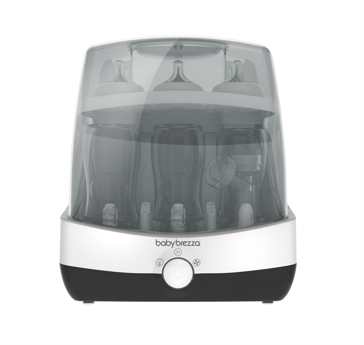 Product recall
Baby Brezza sterilizer recall: check underneath your unit
Some SuperFast sterilizer dryers can overheat. The recall covers three models.
Read the update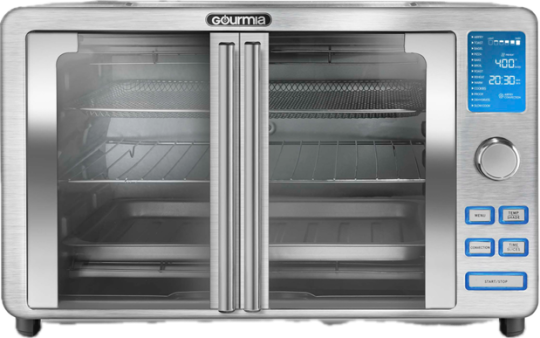 Product recall
Gourmia air fryer oven recalled over closing-door burn risk
Check the GTF7530 model and back-label code before using it again.
Read the update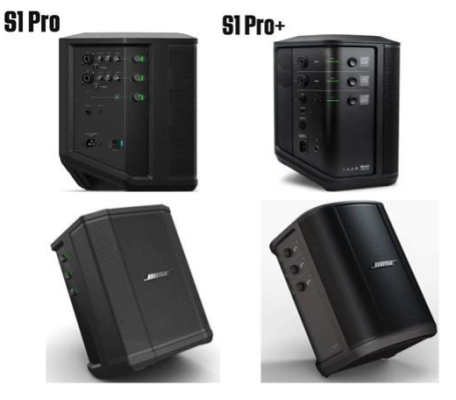 Product recall
Bose S1 speaker batteries recalled: check the battery serial number
Certain S1 Pro and S1 Pro+ battery packs can overheat or catch fire.
Read the update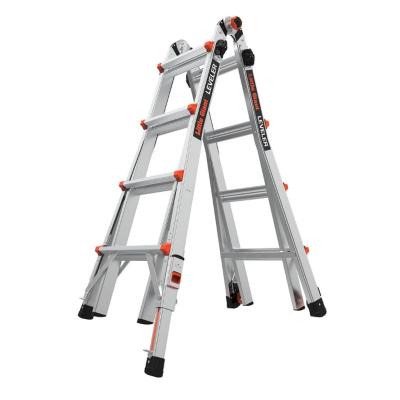 Product recall
Little Giant ladder recall: check the lock and orange QC sticker
Affected ladders can retract if Rapid Locks are not fully engaged.
Read the update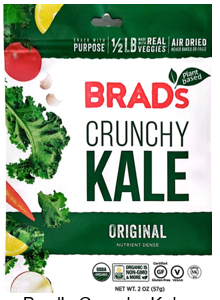 Food recall
Brad’s kale snacks recalled: check the code on your bag
Certain Crunchy Kale and Veggie Chips Kale bags may contain thallium. Match the product, batch number and Best By date below.
Read the update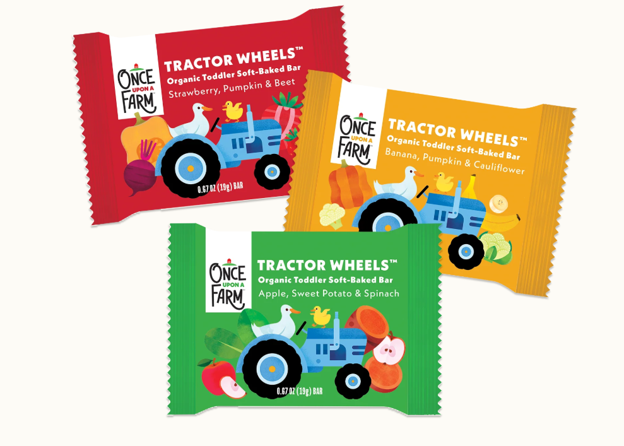 Food recall
Tractor Wheels toddler bars recalled over choking risk
FDA’s November 3 update specifies expiration dates through August 26, 2027. Check your package, and see the return or disposal options.
Read the update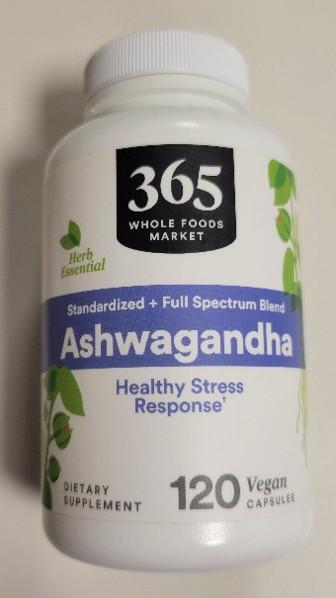 Recall notice
Check your 365 Ashwagandha bottle.
One lot is recalled for possible Salmonella contamination.
Read the update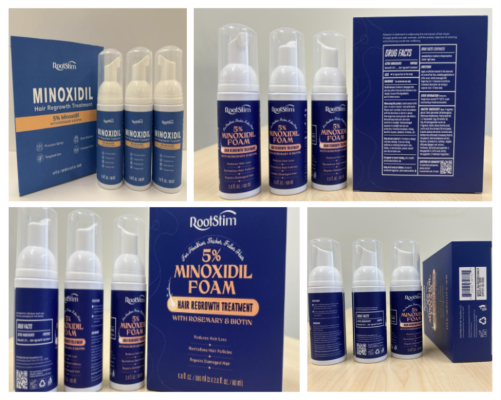 Recall notice
RootStim minoxidil recall: check these three products.
The bottles do not meet child-resistant packaging requirements. About 11,000 units are affected.
Read the update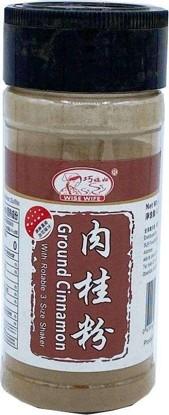 Recall notice
Wise Wife cinnamon recall: check the label.
A specific ground cinnamon product is being recalled over possible elevated lead levels.
Read the update Proposed rule
FDA’s formula proposal: what would change for parents?
Four nutrients, new testing data, and the questions parents are asking.
Read the update